
If it feels like pests have gotten smarter—or at least more annoying—you’re not imagining it. The types of insects and animals showing up in homes today aren’t always the same ones homeowners battled in the early 2000s. Our houses have changed, our neighborhoods have changed, and even the climate has shifted. All of that adds up to a very different pest landscape than what existed 20 years ago. Understanding why modern homes attract different pests can help explain what’s crawling, flying, or scurrying around now.
Tighter Homes Mean Smarter Pests
Modern homes are built to be energy-efficient, which means tighter seals, better insulation, and fewer drafts. While that’s great for heating and cooling bills, it also creates stable, comfortable indoor environments that pests love. In many cases, Pest Specialists now see insects and rodents adapting quickly to these sealed spaces, finding creative ways through vents, rooflines, and tiny structural gaps. Older homes were leakier and less consistent in temperature, which made them less appealing to some species that now thrive indoors year-round.
Changing Materials Change the Rules

Construction materials have evolved significantly. Vinyl siding, composite decking, engineered wood, and foam insulation weren’t nearly as common two decades ago. These materials age differently from traditional wood and brick, sometimes creating moisture pockets or hidden voids that pests exploit. Termites, ants, and carpenter bees may interact with these materials in new ways, while rodents find modern wall systems easier to nest in without being detected for long periods.
Climate Shifts Bring New Guests
Warmer average temperatures and milder winters have expanded the range of many pests. Species that once couldn’t survive colder climates are now thriving farther north or at higher elevations. This means homeowners are encountering insects and rodents they’ve never dealt with before. Mosquitoes, ticks, and certain cockroach species are becoming more common in areas where they were once rare, changing what “normal” pest activity looks like from year to year.
Landscaping Trends Feed the Problem
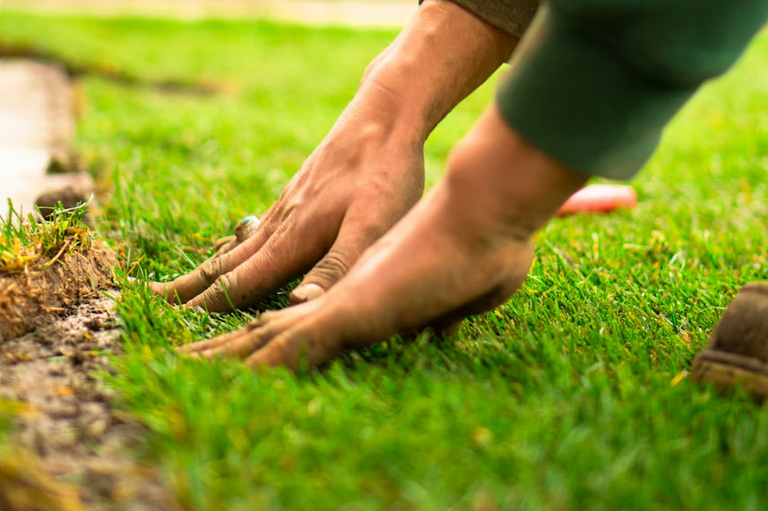
Today’s landscaping often emphasizes dense greenery, decorative grasses, mulch beds, and water features. While these look great, they also provide food, moisture, and shelter for pests close to the home. Twenty years ago, simpler lawns and fewer ornamental plantings created less ideal conditions for insects and small animals. Modern outdoor designs can unintentionally create a welcome mat for pests looking to move indoors.
Lifestyle Changes Create New Loopholes
How we live inside our homes has also changed. More people work from home, order food delivery frequently, and keep pets indoors full-time. Kitchens see more use throughout the day, trash accumulates differently, and pet food is often left accessible. These shifts increase food availability for pests and reduce the quiet periods when homes were once less active and less appealing to scavengers.
Modern homes are more comfortable, efficient, and stylish than ever—but they’ve also created new opportunities for pests that didn’t exist 20 years ago. From tighter construction and new materials to climate changes and lifestyle shifts, today’s houses attract a different mix of unwelcome visitors. Recognizing how these changes influence pest behavior is the first step toward keeping modern homes as pest-free as they’re meant to be.